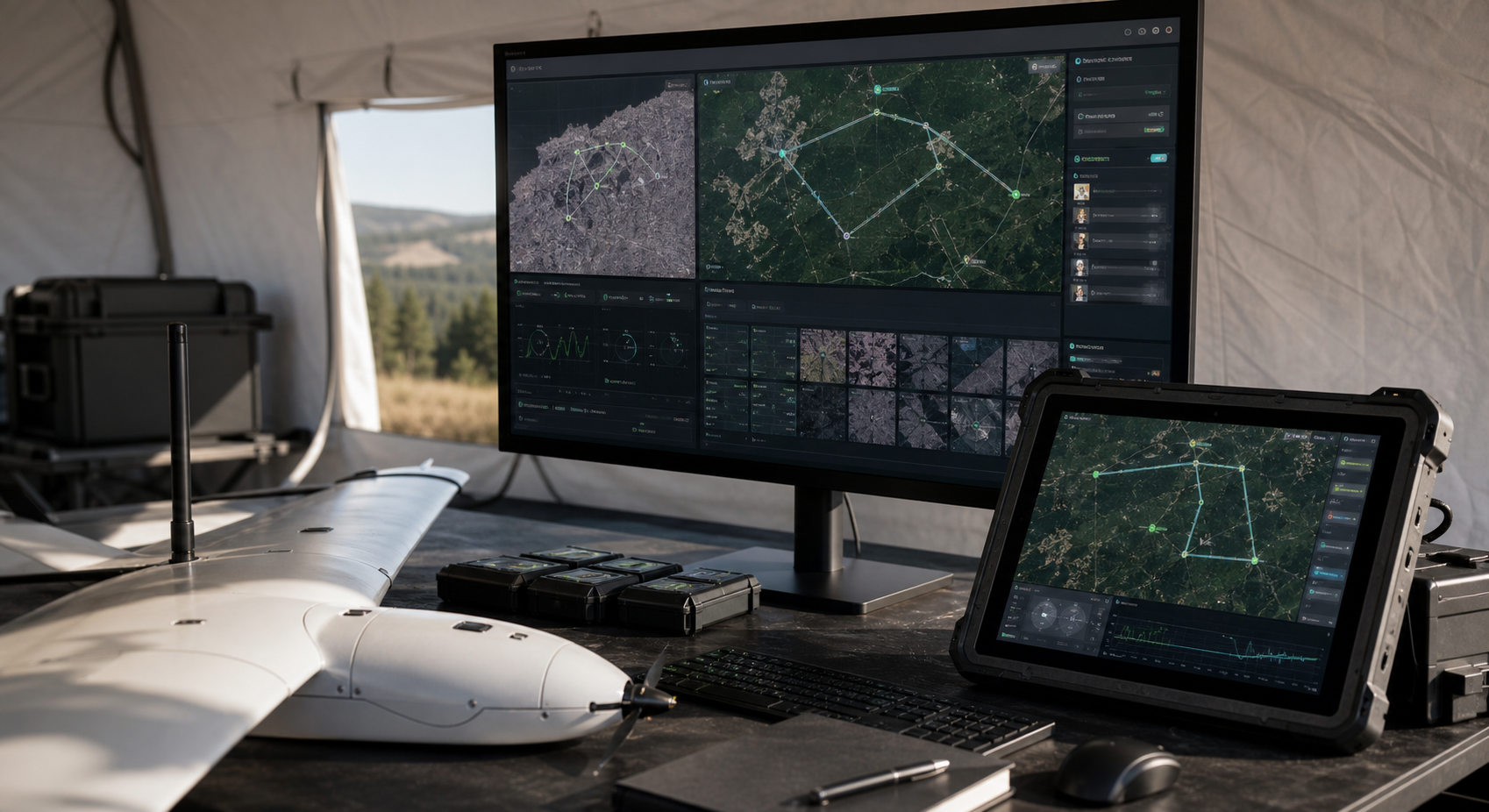
Drone capabilities
- Autonomous coverage routing
- Battery-aware task windows
- RGB and thermal payload support
- Safe return-home behavior
- Single-aircraft pilot loop today, fleet supervision path next

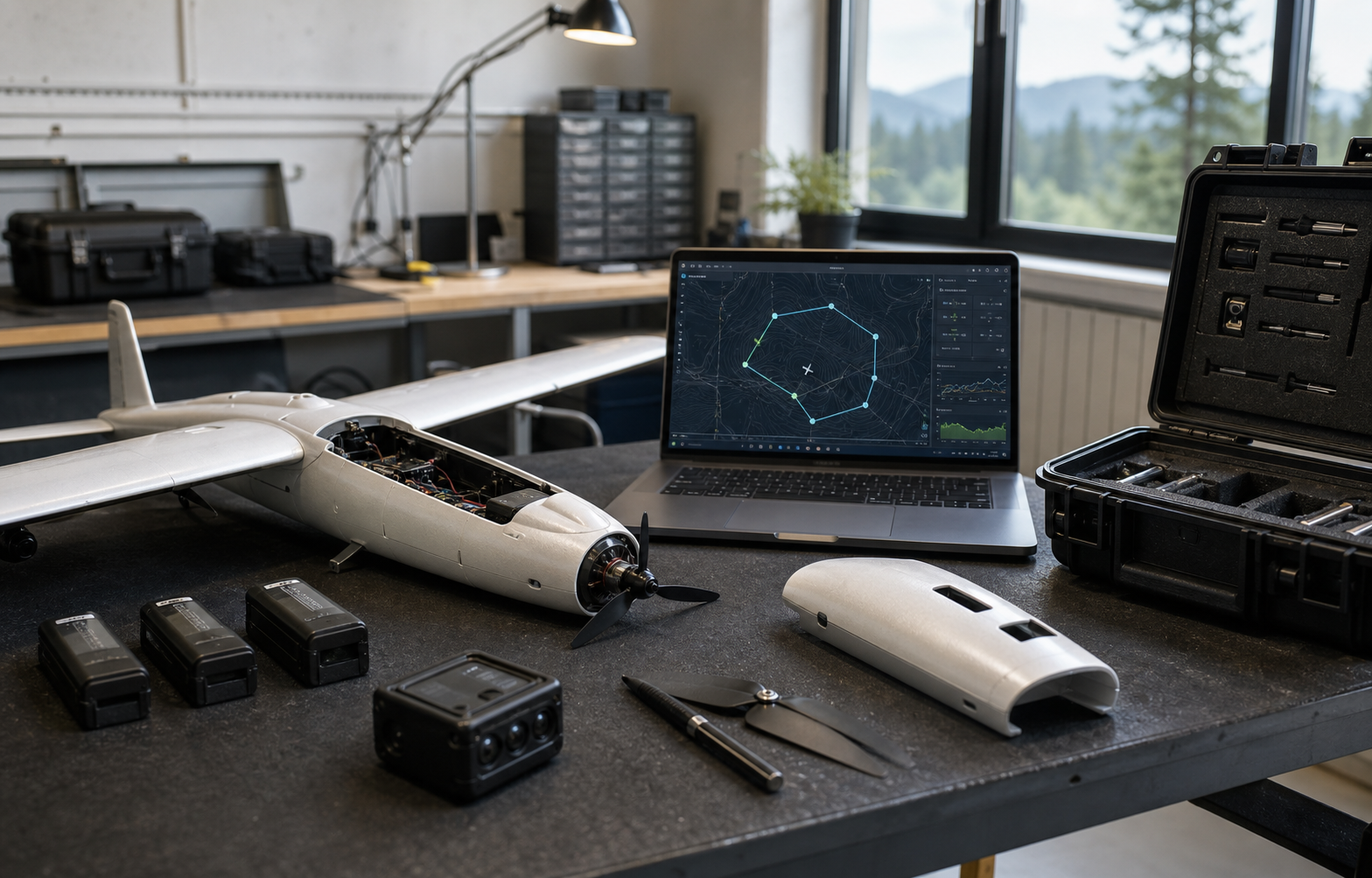
Horus moves teams away from manually flying every search pattern and toward assigning a mission, watching exceptions, verifying detections, and handing precise locations to responders.
The aircraft is tasked against a real operating area, not a vague video feed. Routes are shaped by coverage goals, terrain, communications, battery margin, and return-home behavior so the operator can focus on the mission state.
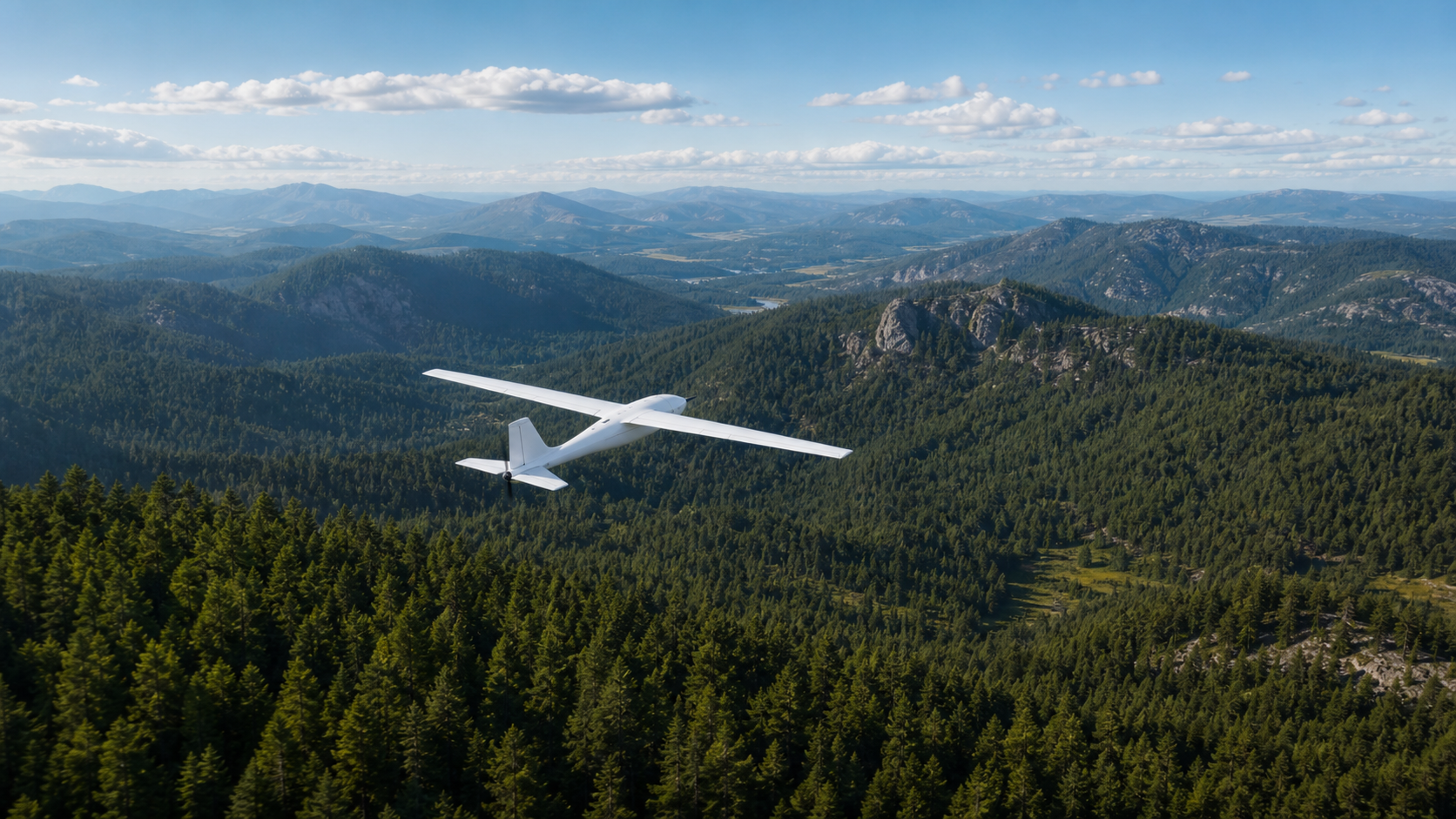
Horus connects aircraft autonomy with the software operators need when the sortie is underway and decisions are moving quickly.
Operators define the area, routes, constraints, priority corridors, and safe return behavior before the aircraft is tasked.
Telemetry, route progress, battery margin, communications health, and degraded modes stay visible throughout the flight.
Imagery and observations are ranked for human review so teams can act on verified evidence instead of raw footage.
Coordinates, imagery, notes, confidence, and context are packaged for the people who need to move next.
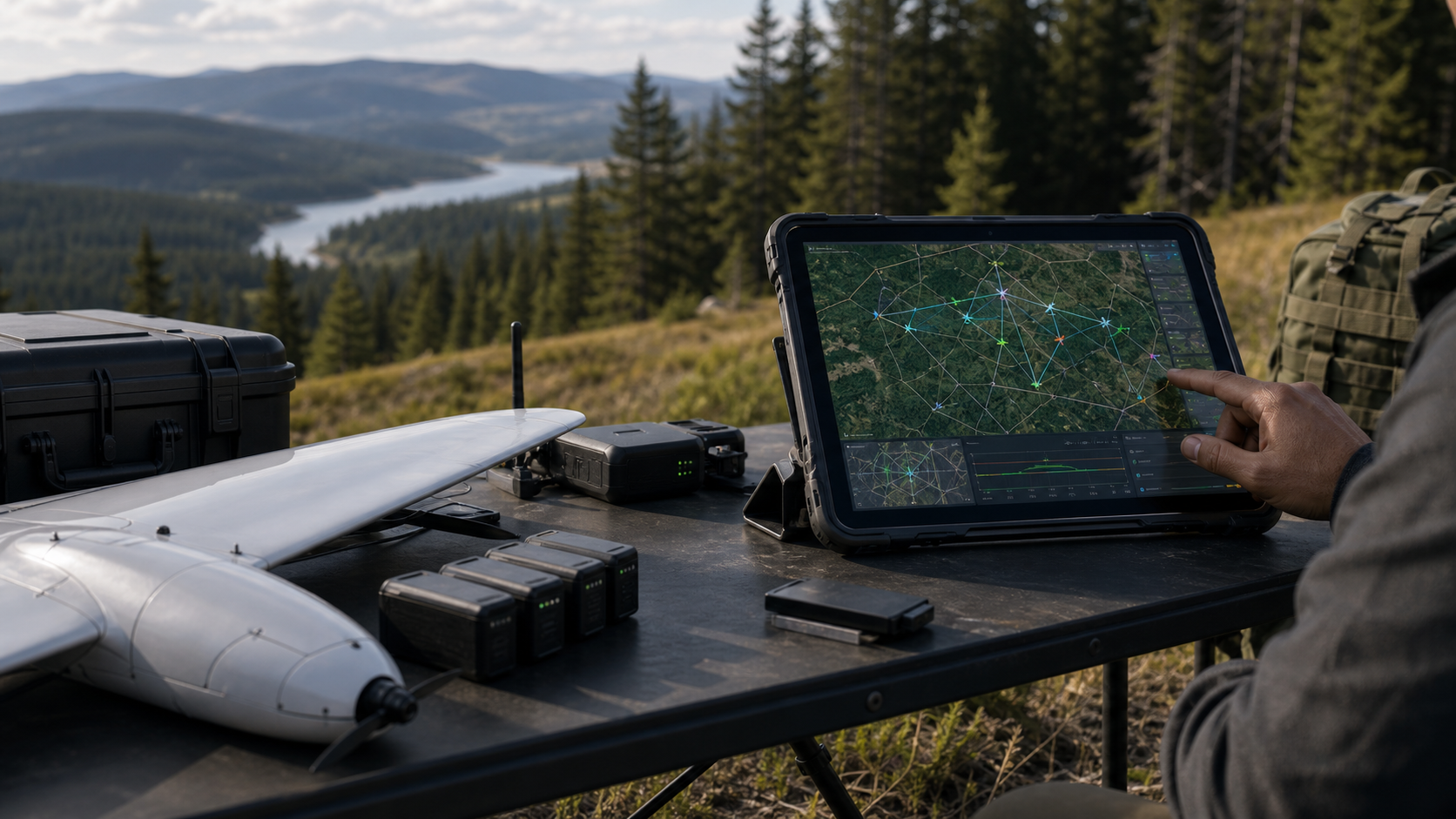
Flying is only part of the work. Horus keeps the map, aircraft state, review queue, response notes, and mission record connected so teams do not lose time stitching decisions together after the flight.
Route logic keeps aircraft focused on coverage objectives while respecting overlap, battery windows, terrain, and return paths.
Coverage, uncertainty, aircraft state, detections, and field response status are kept in one readable view.
The software gives operators a prioritized queue of observations with the context needed to verify or dismiss them.
Horus preserves maps, imagery, route decisions, and handoff records for briefings, shift changes, and after-action review.